

How to Use Biophilic Design to Create Your Own Outdoor Retreat

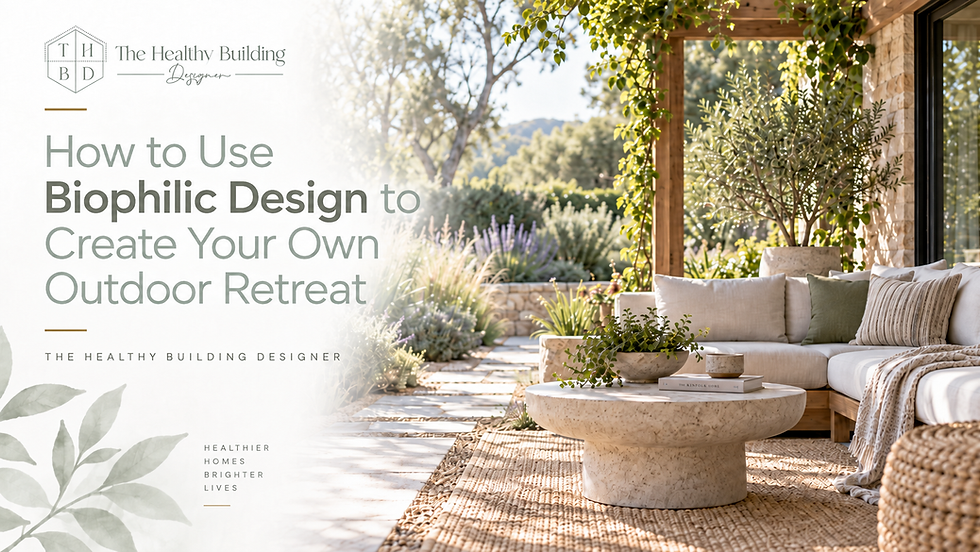
Biophilic design is often reduced to “add more plants”, but the real idea is much broader. A strong outdoor space can connect you with daylight, breeze, shade, seasonal change, natural materials, views, water, birds and vegetation while also helping the home respond better to climate.
The best outdoor retreat is not the one with the most styling. It is the one that works with the site and gives the people using it genuine choices.
Start With Sun, Heat and Breeze Before You Buy Furniture
Australian Government Your Home guidance shows how strongly shading affects heat gain. Effective shading can block a large proportion of unwanted solar heat, and shaded outdoor living areas can also cool air before it reaches the home.
Watch the site across the day. Where is the low western sun? Where does reflected heat come from? Which direction brings the useful breeze? Design the roof, pergola, planting and seating around those patterns before choosing cushions and accessories.
Planting Can Work as Part of the Building
Vegetation can do more than decorate a garden bed. Your Home identifies planting as a tool for shade, evapotranspirative cooling, wind and dust filtering, biodiversity and stormwater management.
Choose plants for the actual climate, soil and location. Consider mature height, root spread, water needs, maintenance and whether planting will block useful breezes or winter sun. Native and locally appropriate species can also provide habitat for birds, insects and other wildlife.
Too Much Hard Surface Can Make an Outdoor Area Hotter
Large expanses of dark paving and masonry absorb solar radiation and can re-radiate heat around people and into the home. In warm climates, Your Home recommends using planting instead of excessive paving where practical and choosing shade strategies that reduce reflected heat.
Use reclaimed stone and reused durable materials where they suit the application. They can reduce demand for new materials while adding character and texture to the outdoor space.
Biophilic Design Is Also About What You Can See From Indoors
You do not need to be sitting outside to benefit from a stronger relationship with nature. Framed views of greenery, daylight, sky and seasonal change can extend the outdoor design into living rooms, kitchens and bedrooms.
A 2026 systematic review and meta-analysis found an overall improvement in wellbeing with nature exposure and reported stronger effects for real nature than virtual nature. Design for genuine contact with natural environments rather than using nature only as decoration.
Give People More Than One Way to Use the Space
One person may want sun, conversation and birdsong while another needs shade, less visual stimulation and a quieter edge. A neuro-inclusive outdoor area provides options rather than assuming one setting suits everyone.
Think about open and more enclosed seating, sun and shade, social and quieter zones, clear paths, somewhere to retreat from glare, and easy movement back into the house.
Water Features Are Not Automatically Biophilic
Water can add movement, reflection and sound, but a poorly maintained feature can become a mosquito, hygiene or maintenance problem. Sound is also personal: running water is calming for some people and irritating for others.
Use water when it genuinely improves the space and you can maintain it. Biophilic design is about meaningful connection with natural patterns and processes, not ticking off a list of features.
What I Would Change First
Observe sun, heat, wind and drainage before redesigning. Add shade where it will make the space more usable. Reduce unnecessary dark hardscape. Use climate-appropriate planting to cool, filter and support biodiversity. Create more than one type of seating or sensory zone, and connect the outdoor space visually and physically with the rooms inside.
Then choose durable lower-tox materials and finishes appropriate for outdoor exposure rather than selecting products only because they photograph well.
Learn the Full Biophilic and Neuro-Inclusive Approach
Research and Sources
This article provides general educational information and is not a substitute for individual medical, environmental, landscape or building advice.


Comments